PLATFORM
RELEASE YEAR
LENGTH TO FINISH
QUICK LOOK
Why Play It
TL;DR:
- Streamlined Progression takes a lot of the grind out.
- The combat is one of Final Fantasy’s best blends of action and strategy.
- For fans of the original, the nostalgia alone is worth it.
One thing to clear up first: this post is about Final Fantasy VII Remake Intergrade, the updated version available on PS5, PC, XBOX Series X/S and Switch 2, not the original 2020 PS4 release. Intergrade has picked up a few useful features, so some of what follows won't apply if you're playing the PS4 version.
I finished Final Fantasy VII Remake not long after it first came out on PS4. I'd always meant to replay it, and its sequel Rebirth, before the final part of the trilogy, Final Fantasy VII Revelation, arrives. But between adult life and an ever-growing backlog of games, replaying two big RPGs can feel like a lot to commit to.
That's why Streamlined Progression, added in a January 2026 update, might make now the best time to jump back into Remake and Rebirth, or finally start them if the time commitment has been putting you off.
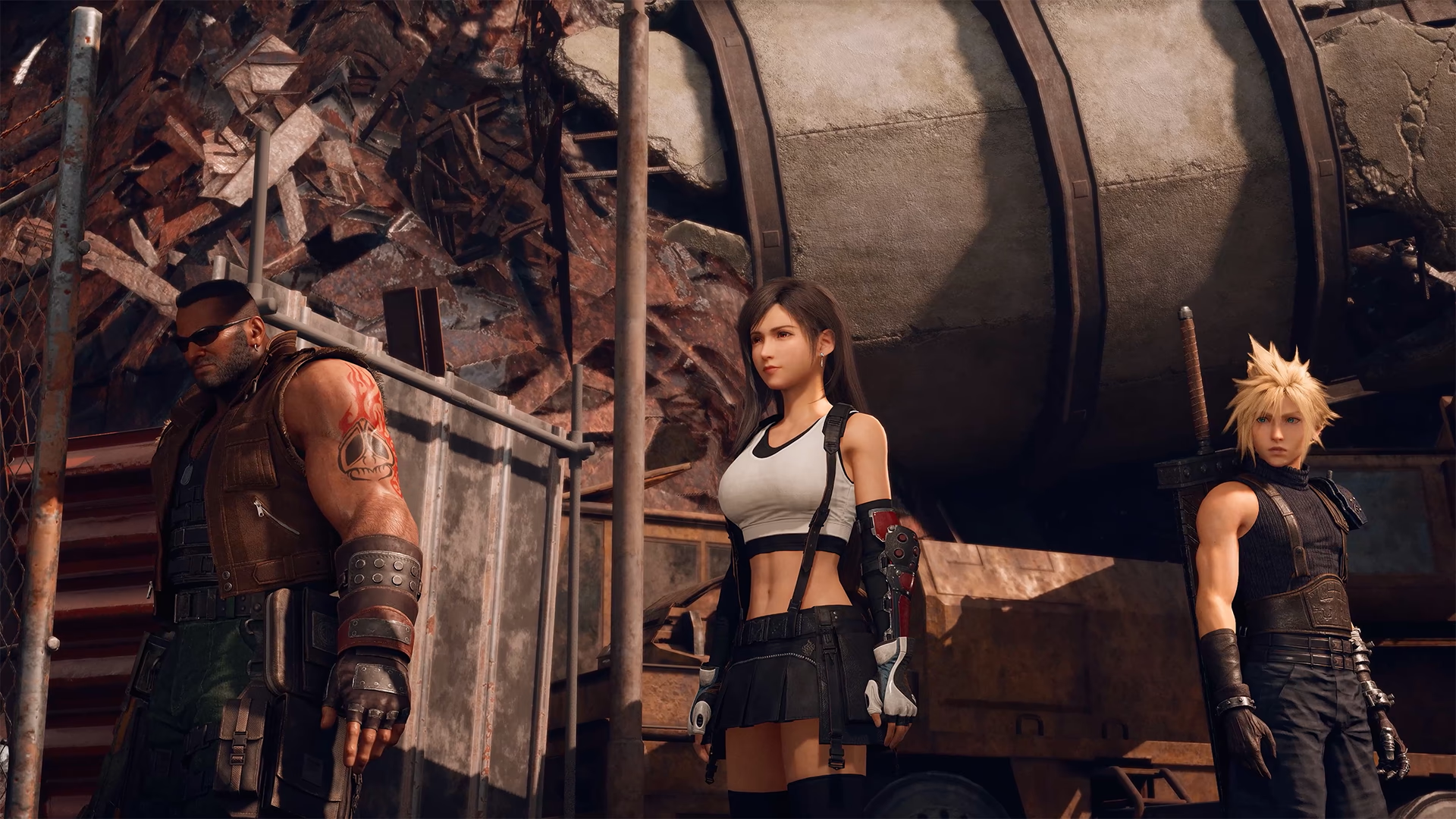
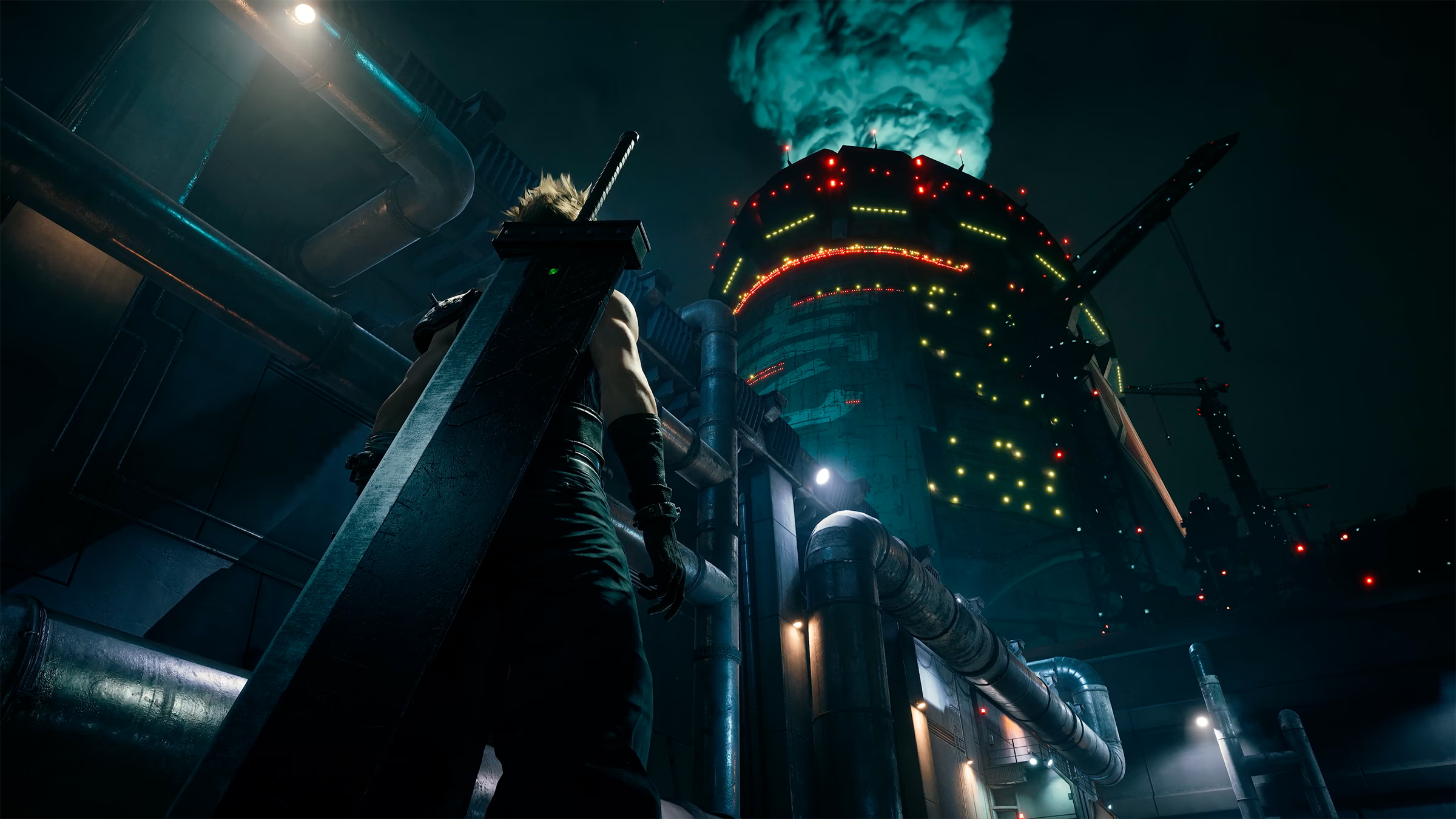
For anyone completely new to it, Final Fantasy VII Remake is the first part of a trilogy reimagining of one of gaming history's greatest hits, Final Fantasy VII. It takes the opening Midgar section of that game and expands it into a full action RPG, following mercenary Cloud Strife as he gets pulled into the fight between resistance group Avalanche and the Shinra Electric Power Company.
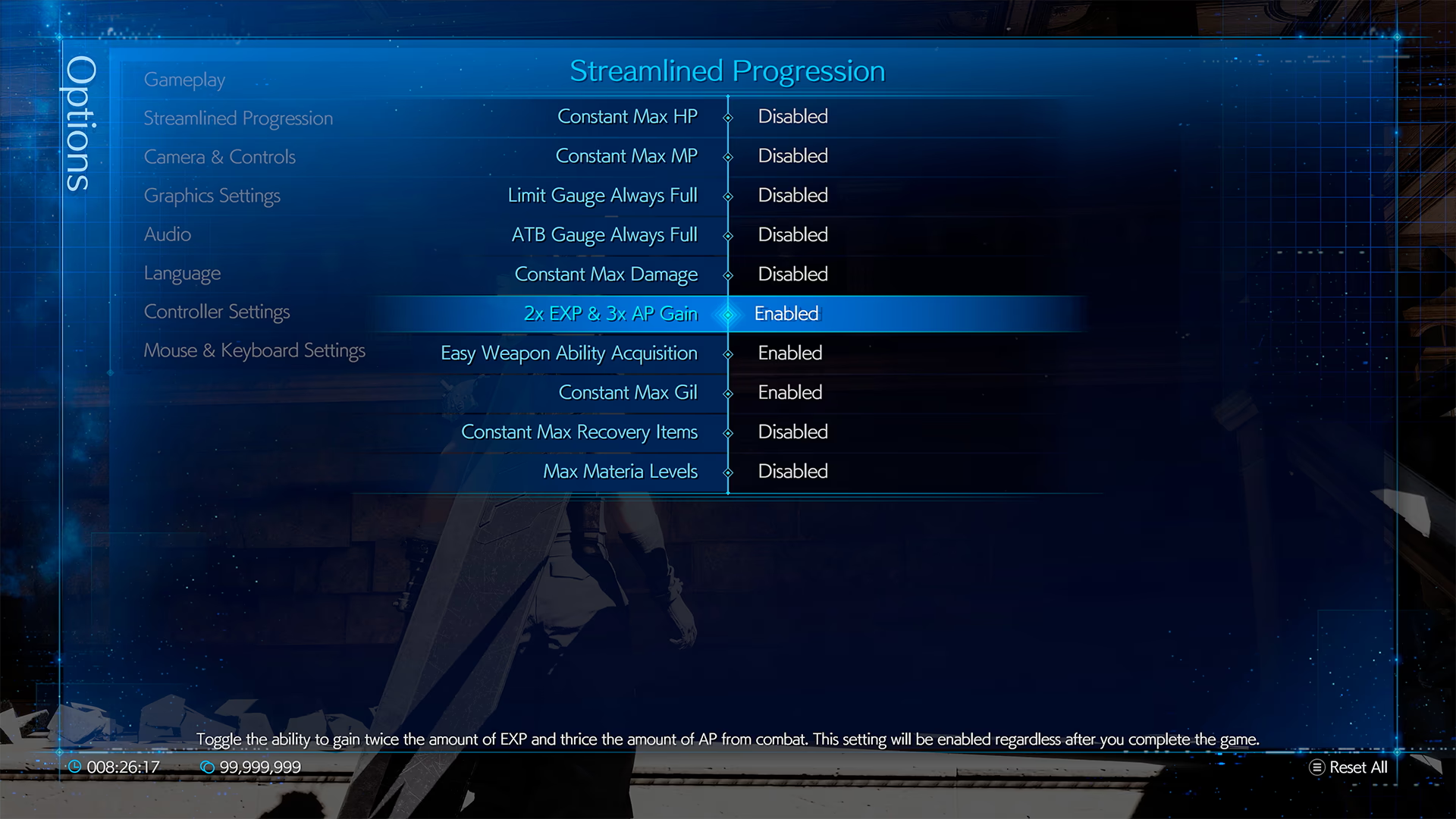
Streamlined Progression is the main reason I'd recommend playing Intergrade right now. It's a set of optional toggles that help you move through the game faster. Director Naoki Hamaguchi described it, in a Square Enix interview, as a feature meant to "let players experience the game's story more smoothly, in line with their individual lifestyle needs or preferred playstyles."
Put simply: they're official cheats.
You can keep your HP and MP full, deal maximum damage with every hit, earn experience faster, and more. Each option can be switched on or off individually at any point, so you can use as much or as little help as you want, whenever you want.
There's also a separate New Game – Head Start option introduced in an earlier update, which starts your characters at level 45 with upgraded materia, better equipment, extra items and plenty of gil. Cutscenes can be played at 1.5x or 2x speed too.
All of these features make it much easier to fit the game into your busy schedule.
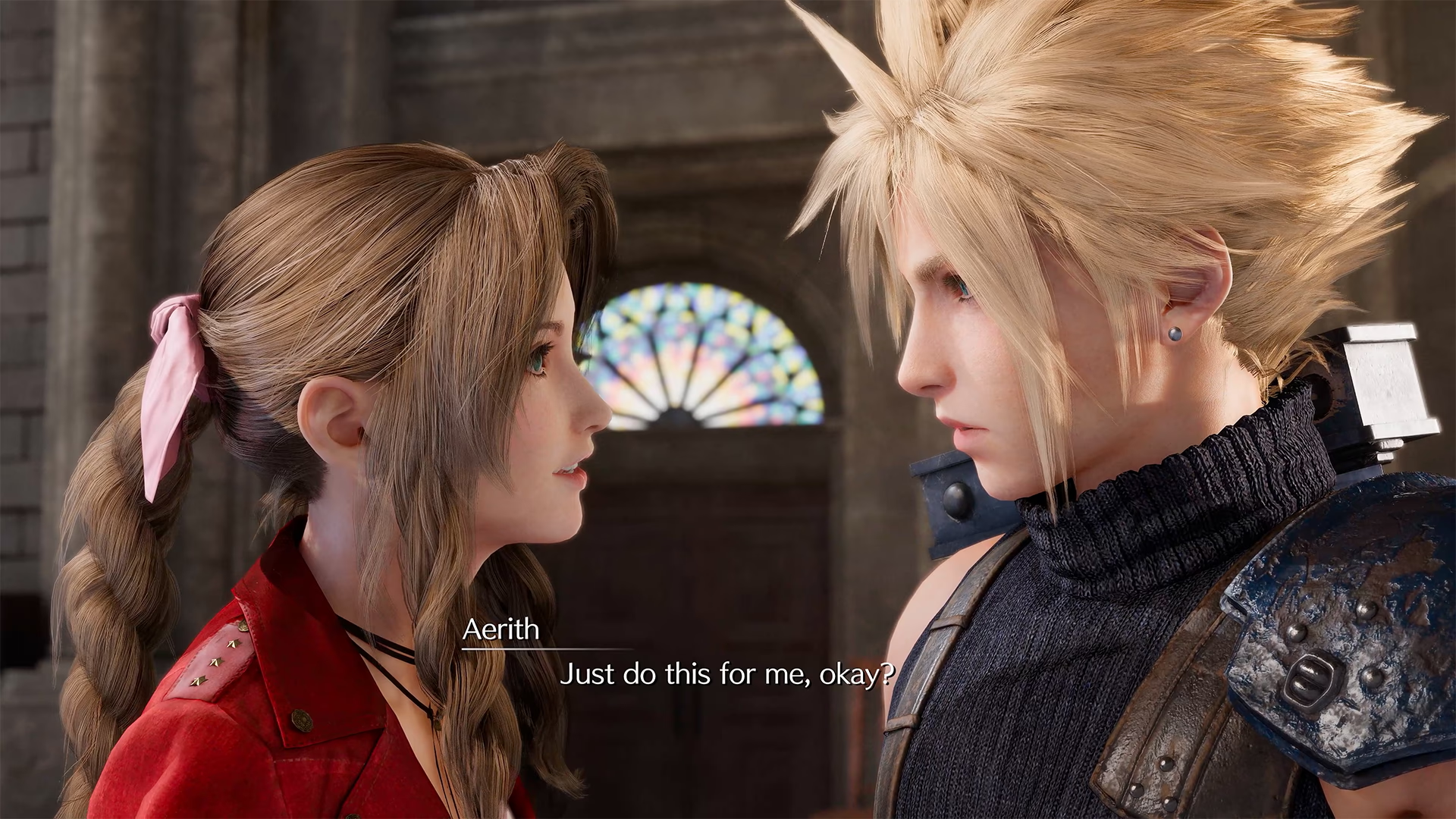
For anyone who played the original Final Fantasy VII and loved it, a huge part of Remake's appeal is simply the nostalgia hit. Seeing Midgar rebuilt at this scale, hearing that memorable soundtrack again and just spending time with Cloud and the gang is something truly special. Giving these characters full performances and considerably more screen time adds a depth that wasn't really possible in 1997. I came away loving the cast even more.
That experience alone is worth having.
That said, remaking the original game at this scale also exposes some quirks. A lot of the original's charm came from its heightened, almost cartoonish tone, cute blocky character models and all. Though the game carried a genuinely deep story with mature themes underneath, it was also pretty weird and wacky at times. Translating that mix into something more realistic and grounded is hard to pull off cleanly, and Remake doesn't always manage it. Some of the dialogue, scenes and story beats can land a little cheesy or cringey. If you're completely new and expecting the kind of tight, modern writing you'd get from a prestige release today, you might come away a little underwhelmed. It's still a fun story, don't get me wrong.
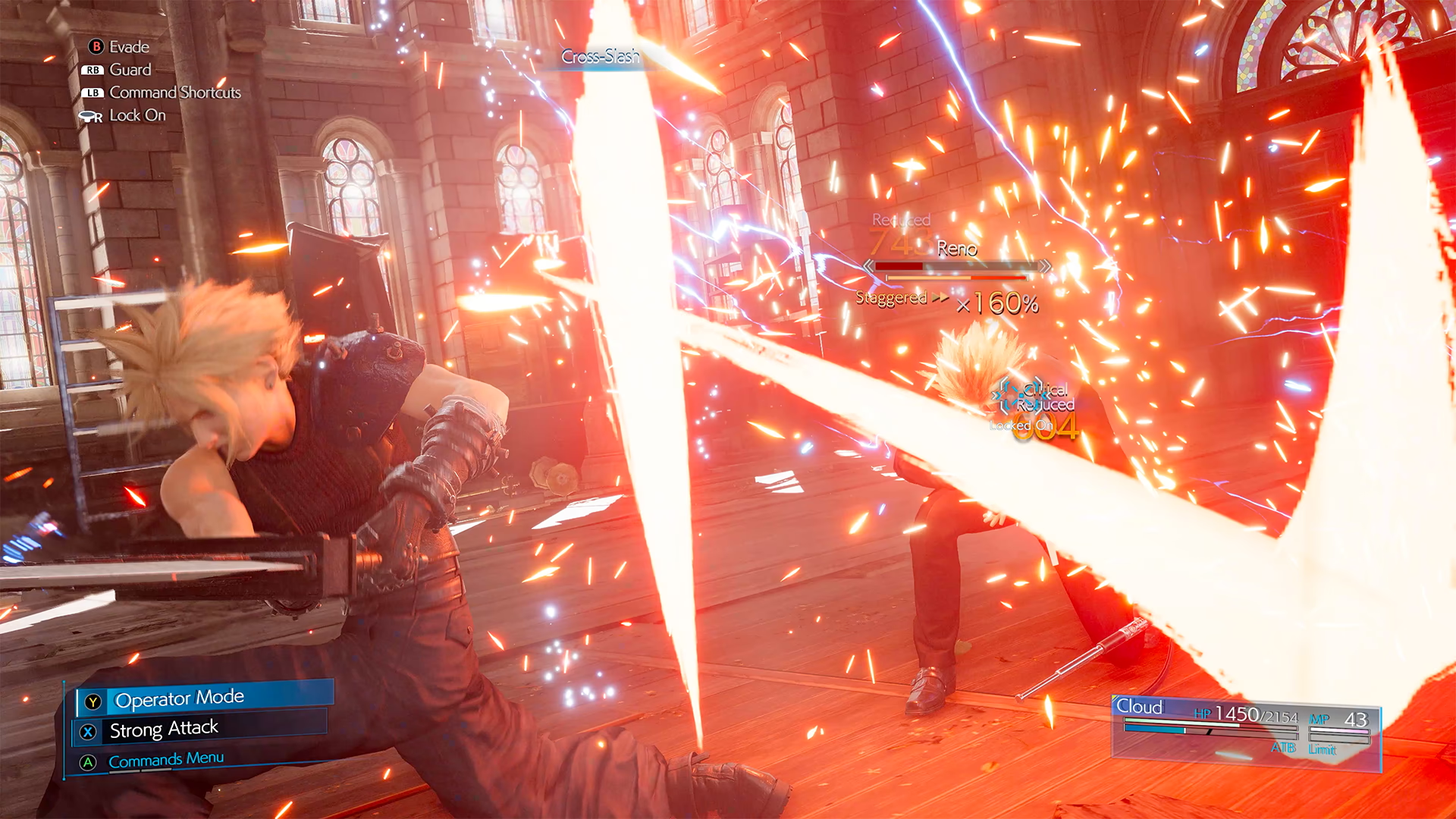
If you've never experienced the original before, the combat and gameplay are probably the stronger reasons to give it a chance. Remake is essentially an action RPG, with real-time combat built around many of the ideas and mechanics of the original game's turn-based system. You can freely attack, dodge and block while building ATB charges to spend on abilities, spells and items. You can also switch between active party members on the fly, with each character playing differently and bringing their own moves to a fight. It's a great hybrid system, immediate enough to feel like an action game, but still tactical enough to feel like classic Final Fantasy.
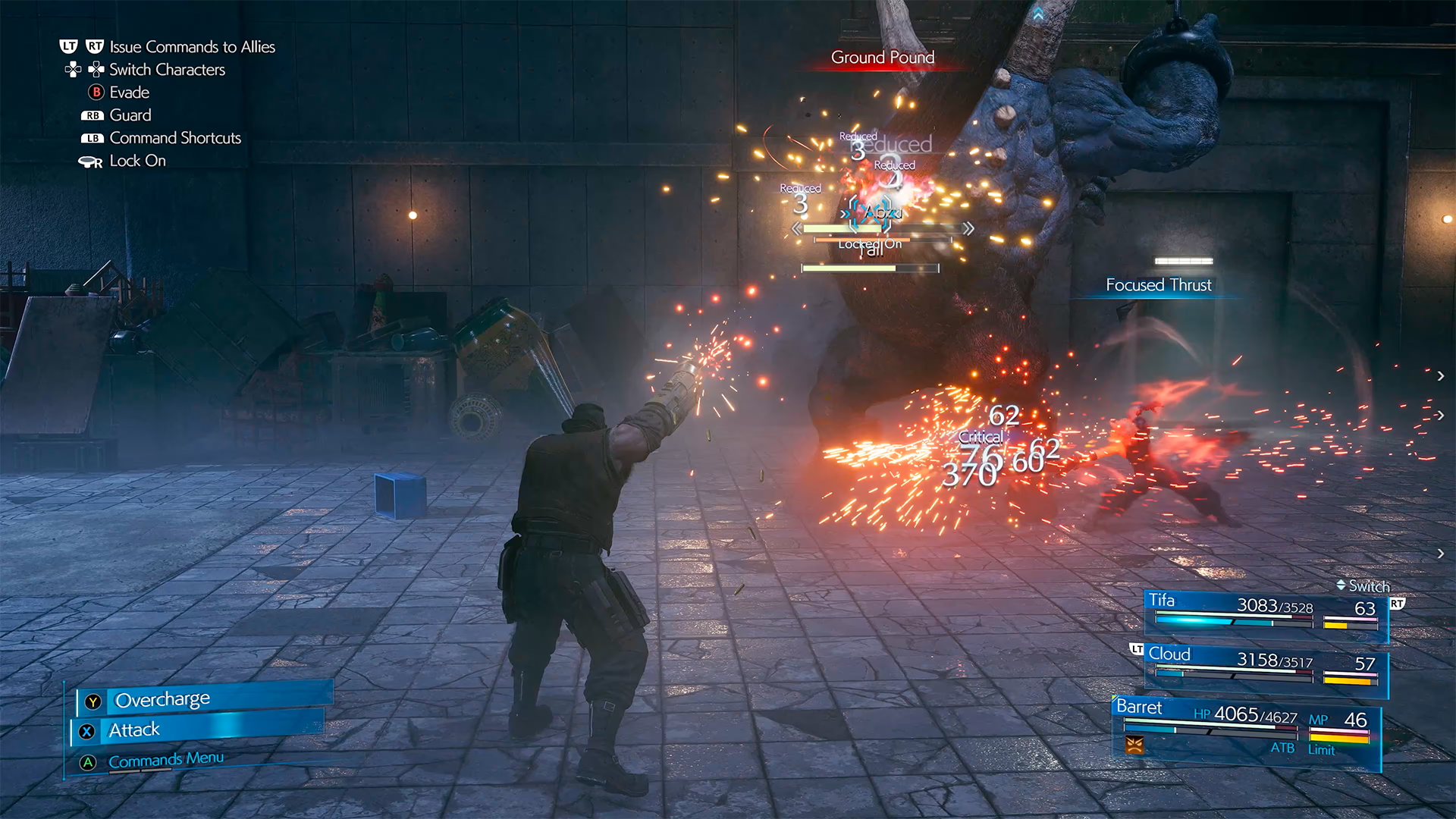
Final Fantasy VII Remake is a solid game through and through. There's plenty to sink into, and a full playthrough will keep you busy for a good stretch. Streamlined Progression just means you can get through it, and Rebirth, at whatever pace suits you. And with the conclusion of the trilogy releasing in Spring 2027, now's a particularly good time to start, or start again.
Do You Need to Play the Original?
No. Final Fantasy VII Remake Intergrade works fine as a starting point.
That said, if you've ever been curious about the original, there's real value in playing it first, and I'd encourage it. The 1997 Final Fantasy VII has been ported almost everywhere: PS4, PS5, Xbox, Switch, Steam, even phones. It's cheap and easy to get hold of, and some modern versions come with handy boosters like 3x speed and the option to switch off random battles, so getting through it is easier than it used to be. And without spoiling anything, the trilogy is doing something more interesting with the original than a straight retelling, so you'll get more out of it if you already know the story.
DLSS/FSR Upscaling Mod for PC
Intergrade's default TAA can make the game look soft or blurry, particularly in motion. If that bothers you and you're on the right hardware, there's a popular free mod called Luma that swaps the TAA for DLSS or FSR, giving you a noticeably sharper image.
Changelog
Aug 26, 2026
- published post